יצרן מקצועי, מאז 2009.
מפיץ את ריח האהבה בכל רחבי העולם


עִברִית
קטגוריות
בלוג חדש
כיצד לבחור את מפיץ הריח המתאים לחלל המסחרי שלך: מדריך קנייה מלא August 27 , 2026
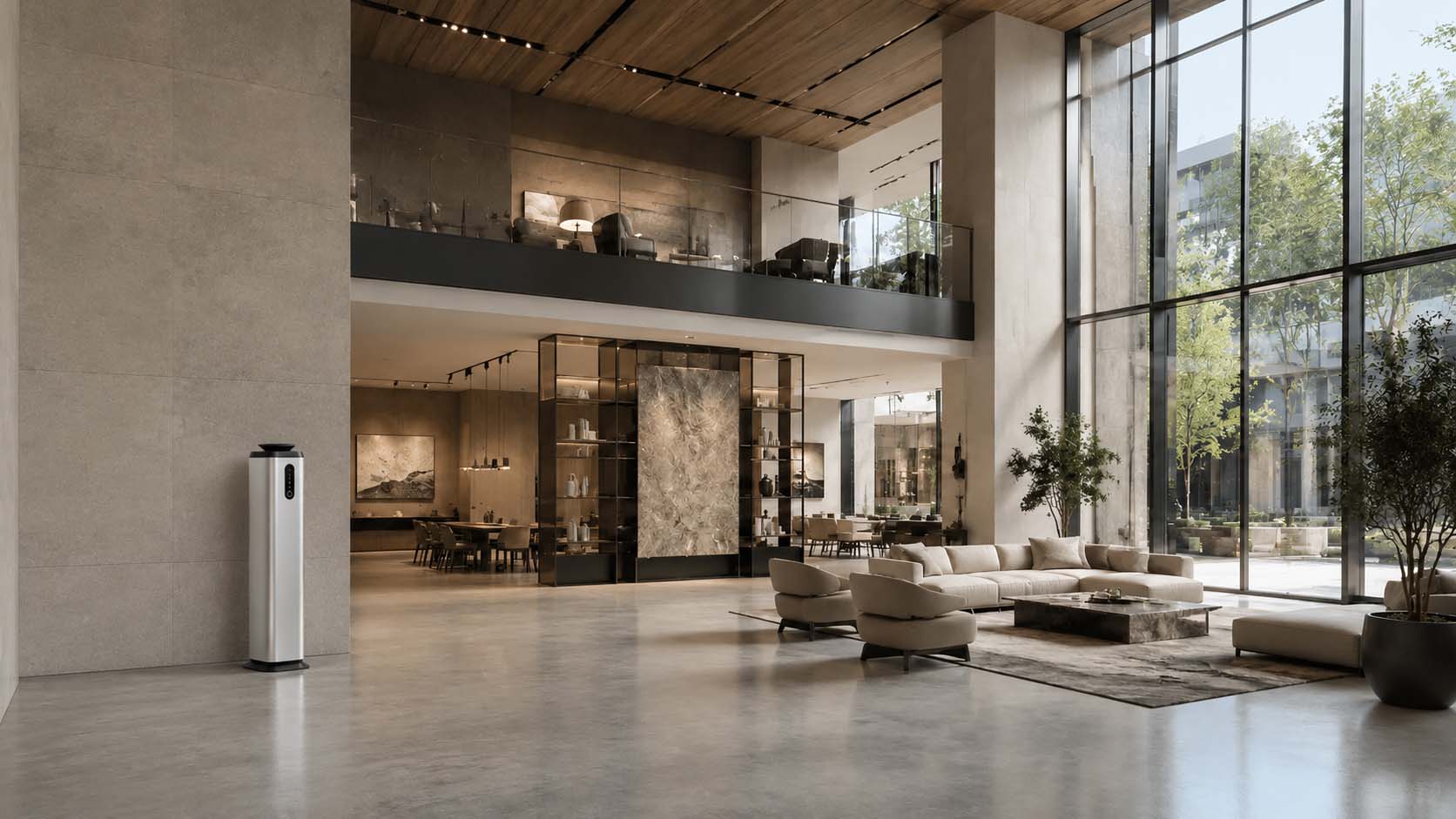
בחירת מפזר ריח מסחרי אינה רק שאלה של מציאת הדגם עם הסיקור הפורסם הגדול ביותר.
לובי של מלון, בוטיק אופנה, קבלה במשרד, מועדון כושר, אולם תצוגה ומרכז קניות עשויים להיות בעלי שטחי רצפה דומים אך גבהי תקרה, דפוסי זרימת אוויר, שעות פעילות, מגבלות רעש וכללי התקנה שונים לחלוטין.
מכונת הריחות הנכונה חייבת להתאים לבניין וגם לאסטרטגיית הריחות.
מדריך זה מספק למפעילי מלונות, קמעונאים, מנהלי נכסים, מפיצים וצוותי רכש תהליך מעשי לבחירת מפזר ריח מסחרי מבלי להתעלם מעלויות התפעול או לזלזל בציוד.
בחרו מפזר ריח מסחרי רק לאחר אישור שש אפשרויות:
האזור או האזור המדויקים שיש להריח
הנפח המעוקב של אותו אזור
כיצד אוויר נכנס, נע דרכו ויוצא מהחלל
האם ההתקנה צריכה להיות עצמאית, מותקנת על הקיר או מחוברת למערכת HVAC
לוח הזמנים הנדרש להפעלה, רמת הרעש ושיטת הבקרה
צריכת שמן הבושם הצפויה, עומס העבודה בתחזוקה והעלות הכוללת
סיקור שפורסם שימושי ליצירת רשימה מצומצמת. הוא אינו תחליף לסקר באתר או להזמנה באתר.
התחילו עם מטרת הפרויקט ולא עם המכונה.
מטרות שונות יכולות לדרוש תוכניות ריחות שונות:
מלון עשוי לרצות רושם עקבי של הגעה בלובי הראשי.
קמעונאי עשוי לרצות אווירת מותג מוכרת ליד הכניסה וקומת המכירה.
משרד עשוי לרצות חוויית קבלה עדינה מבלי לפגוע באזורי עבודה בודדים.
אולם תצוגה של נדל"ן אולי יזדקק לניחוח במהלך מצגות, אבל לא בן לילה.
ספא עשוי להזדקק לפעילות שקטה ועוצמה נמוכה יותר ליד חדרי טיפולים.
מפעיל רב-מיקומים עשוי לתת עדיפות להגדרות סטנדרטיות ונהלי צוות פשוטים.
כתבו משפט אחד המגדיר את התוצאה הרצויה. לדוגמה:
צרו ניחוח עדין ועקבי ברחבי אזור הקבלה וההמתנה בשטח של 600 מ"ק במהלך שעות הפתיחה, מבלי שריח ייכנס לחדרי ישיבות סמוכים.
זה יותר שימושי מאשר לבקש "מכונת ריח חזקה".
בחירת מפזר מסחרי צריכה להתחיל עם נפח החדר:
נפח החלל = אורך × רוחב × גובה תקרה ממוצע
לדוגמה, חנות בגודל 20 מטר על 10 מטר עם תקרה של 4.5 מטר בעלת נפח פתוח משוער של:
20 × 10 × 4.5 = 900 מ"ק
שני מיקומים בעלי שטח רצפה זהה של 200 מ"ר עשויים לדרוש ציוד שונה אם לאחד יש תקרה של 3 מטרים ולשני אטריום של 7 מטרים.
רשום יותר מהמספר בכותרת. כלול:
אזורים פתוחים וסגורים
ביניים ואטריומים
גרמי מדרגות המחברים קומות אחרות
חדרי הלבשה או חדרים פרטיים
דלתות חיצוניות שנפתחות לעתים קרובות
אזורים המופרדים על ידי קירות בגובה מלא
חללים שצריכים להישאר ללא ריח
אל תצרפו אוטומטית כל חדר לסכום אחד. משרד סגור ולובי פתוח עשויים להזדקק לשליטה נפרדת גם אם הם חלק מאותו נכס.
ניחוח עוקב אחר תנועת אוויר. תוכנית קומה לבדה אינה יכולה להראות כיצד היא תתקדם.
במהלך סקר האתר, יש לזהות:
סורגי אספקה והחזרה של HVAC
לוחות זמנים של צריכת אוויר צח
מאווררי פליטה
דלתות מסתובבות, הזזה או פתוחות לצמיתות
דרגנועים, לובי מעליות וחדרי מדרגות
כניסות עם תנועה רבה
מאווררים גדולים או וילונות אוויר
מחיצות ומדפים גבוהים
גבולות שירותי מזון או מטבח
תפקידי צוות וישיבה ממושכת
האחרוןתקן ANSI/ASHRAE 62.1-2025מכסה אוורור, סינון, בקרות, תפעול ותחזוקה של מבנים לאיכות אוויר בתוך הבית מקובלת. מהדורת 2025 כוללת דרישות אוורור מעודכנות לפי בקרת דרישה, דבר הרלוונטי מכיוון שזרימת האוויר יכולה להשתנות בהתאם לתפוסה וללוחות הזמנים של המערכת.
מפזר ריח חייב לעבוד עם זרימת האוויר של הבניין, אך הוא אינו מספק אוויר צח, מסיר מזהמים או מחליף אוורור.ההנחיות הנוכחיות של ה-EPA האמריקאי בנוגע לאוויר בתוך הביתמזהה בקרת מקור, אוורור וסינון או ניקוי אוויר כאסטרטגיות ליבה של איכות האוויר בפנים.
אם יש בעיות עשן, לחות, עובש, ניקוז, פסולת מזון או אוורור בחלל, יש לבדוק תחילה את המקור. אין להשתמש בניחוח כדי להסתיר בעיה לא פתורה בבניין.
הפורמטים העיקריים הם מערכות עצמאיות, מותקנות על הקיר ומערכות המחוברות ל-HVAC.
מכונות עצמאיות יושבות על הרצפה, על מדף או על משטח ריהוט יציב. הן בדרך כלל הפורמט המהיר ביותר להתקנה ולהעברה.
הם שימושיים כאשר:
המקום דורש ניסוי פיילוט
גישה לתעלות אינה זמינה
אזור המטרה דורש בקרה עצמאית
הדייר אינו רשאי לשנות את הבניין
תוכנית הקומה משתנה באופן קבוע
ניתן למקם את הציוד בצורה בטוחה
המגבלות הן ראות, רעש מקומי, ניהול כבלי חשמל והאפשרות של ריכוז ריח ליד היחידה.
ציוד המותקן על הקיר יכול לשמור על דלפקים ורצפות נקיים. הוא עשוי להתאים למשרדים, מסדרונות, שירותים, אזורי קמעונאות קטנים יותר ואזורי קבלה כאשר קיימים מקומות מתאימים לקיר וספק חשמל.
ודאו שהמכשיר לא ייחסם על ידי רהיטים, וילונות, סחורות, דלתות או תורים של לקוחות. כמו כן, עליו להישאר נגיש לצורך החלפת שמן ותחזוקה.
An HVAC scent diffuser introduces fragrance into compatible building airflow for broader distribution.
This can suit large permanent spaces when:
The intended area matches a controllable HVAC zone
Equipment should remain outside the customer area
The duct route and injection position are suitable
Facility staff can provide service access
The building owner and engineering team approve the installation
Do not connect tubing to an arbitrary supply or return duct. A qualified building or HVAC professional should review airflow direction, pressure, shared zones, filtration, operating hours, and the risk of fragrance reaching unintended areas.
Coverage should be only one line in the comparison.
Commercial equipment should allow the operator to reduce or increase output through controlled work and pause periods. The available range should be suitable for the smallest intended setting, not only maximum output.
Check whether the machine supports daily time periods, different days of the week, automatic restart, and an easy method for returning to approved settings.
Noise matters in spas, meeting areas, quiet retail environments, VIP lounges, and reception desks. Ask how the published noise figure was measured and assess the sample in the actual placement position.
A larger bottle can reduce refill frequency, but it also increases the amount of oil stored in the device. Select capacity using operating hours, tested consumption, access frequency, and staff responsibility.
Possible options include buttons, touch controls, Bluetooth, Wi-Fi, or an App. More connectivity is useful only if the customer can support account management, permissions, updates, network access, and staff training.
Public-facing equipment may need a lock, hidden controls, secure oil access, or placement outside customer reach.
Confirm how staff reach the oil bottle, atomizer, tubing, seals, filter, and power connection. A concealed installation still needs convenient service access.
The following framework helps narrow the format before comparing individual models.
| Commercial Space | Main Buying Priority | Typical Starting Format |
|---|---|---|
| Large hotel lobby | Broad coverage, quiet operation, premium appearance | Floor-standing or reviewed HVAC solution |
| Fashion or lifestyle retail | Local control, flexible placement, brand presentation | Standalone commercial diffuser |
| Office reception | Subtle output, low noise, simple maintenance | Compact standalone or wall-mounted diffuser |
| Showroom or sales center | Scheduling, visible design, changing occupancy | Floor-standing diffuser |
| Spa or wellness reception | Quiet operation, low minimum output | Compact or wall-mounted diffuser |
| Large multi-zone property | Independent zones and centralized distribution | Multiple standalone units or engineered HVAC plan |
These are starting points, not automatic prescriptions.
TheDANQ M63 floor-standing scent diffuseris designed for large commercial areas. Current company materials publish a 1,000 ml bottle, standalone installation, low-noise operation, and coverage up to 4,000 m³.
That published figure should be used to shortlist the model, not to guarantee performance in every 4,000 m³ property. A high-ceiling lobby with open doors and strong fresh-air supply may perform differently from an enclosed showroom of the same volume.
The Q1000PRO is part of DANQ’s commercial scent equipment range and can be considered for retail, hospitality, office, and other project environments.
Because final selection depends on the current model configuration, request the latest Q1000PRO specification sheet, installation options, oil capacity, control functions, noise conditions, consumption estimate, and model-specific documents before purchase.
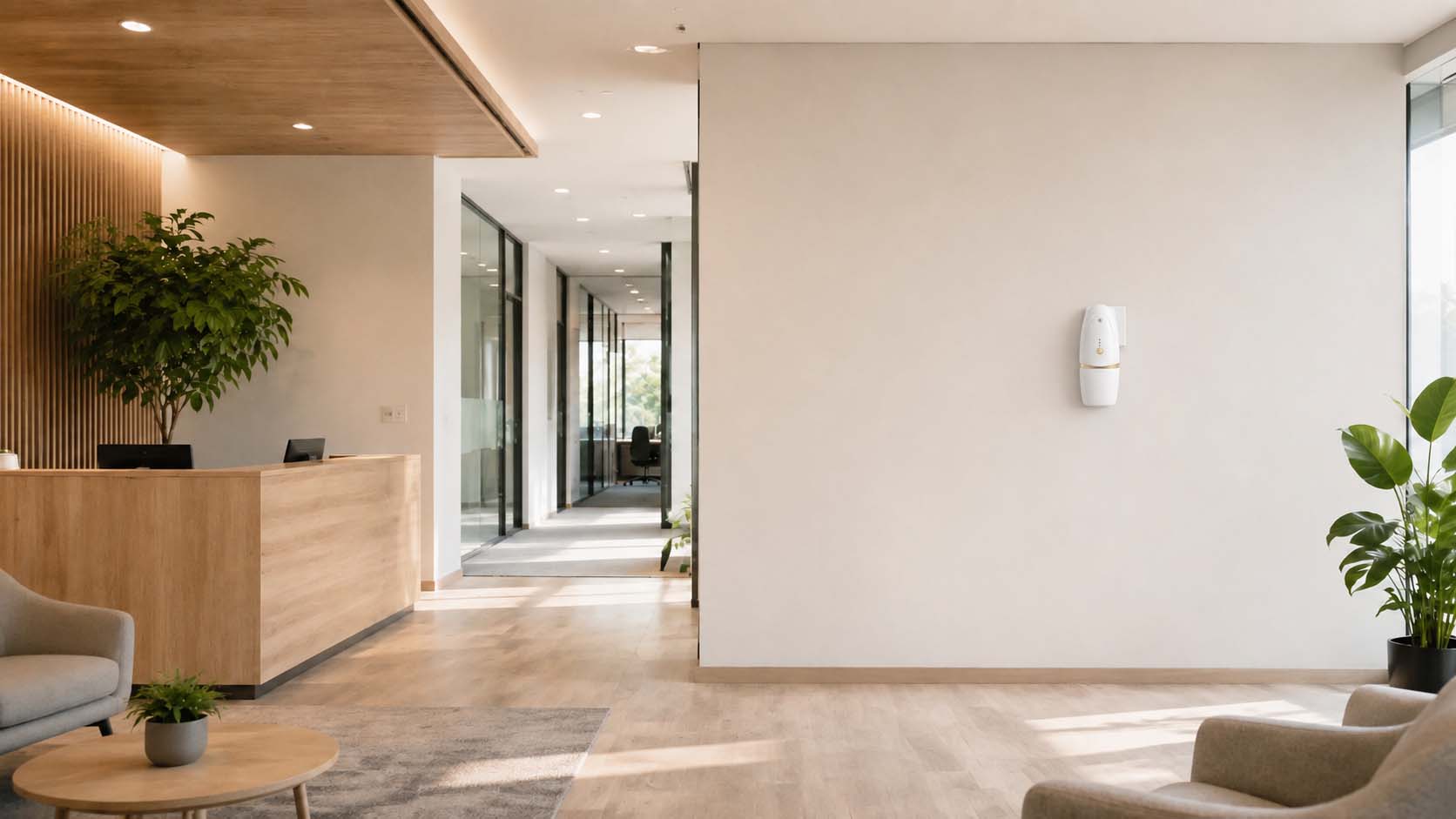
The S915 is a wall-mounted plug-in model designed to keep floor and counter space clear. DANQ product materials describe waterless operation, Bluetooth control, and quiet performance.
Confirm the plug standard, mounting orientation, coverage requirement, lowest output, oil capacity, and service access for the destination market and intended location.
Unit price does not show the full cost of a commercial scent program.
Compare:
Equipment price
Installation or electrical work
Fragrance-oil consumption
Oil price and shipping classification
Refill and cleaning labor
Atomizer cores, seals, tubing, and other wear parts
App or remote-management requirements
Staff training
Replacement equipment or downtime allowance
Freight, duties, and local taxes
A basic operating estimate can use:
Monthly oil cost = tested hourly consumption × daily operating hours × operating days × oil price
Do not use maximum-output consumption if the approved program runs at a much lower duty cycle. Test with the selected fragrance because viscosity and volatility can affect atomization and consumption.
Also compare labor. A lower-priced device that needs frequent local attention may cost more across 30 or 100 locations than equipment with a longer, predictable refill cycle.
The machine, oil, and settings operate as one system.
Before approving bulk oil or equipment, verify:
Atomization stability
Fragrance character after diffusion
Residue around the outlet
Compatibility with tubing, seals, and the atomizer
Consumption under the proposed schedule
Performance after extended operation
Required cleaning interval
A fragrance that smells balanced on a blotter may change after diffusion. Highly volatile notes may dominate first, while heavier materials can affect persistence and maintenance.
Request the current Safety Data Sheet and other documents required for the exact oil, application, and destination market. Do not assume that one fragrance document covers every formula or that every oil is compatible with every diffuser.
Start below the expected final setting and increase gradually.
A useful pilot should include:
Installation during normal building operation
An agreed starting work and pause cycle
Checks at the entrance, center, boundaries, and staff positions
Review during quiet and busy periods
Oil-level and maintenance records
Customer and staff feedback
A documented final setting
Use a simple intensity scale such as:
Absent
Subtle
Noticeable
Strong
Uncomfortable
Ask new arrivals as well as employees. Staff may become less aware of the fragrance after extended exposure.
If the scent reaches restaurants, treatment rooms, neighboring tenants, private offices, or other unintended areas, adjust placement, output, zoning, or operating periods before adding more equipment.
Provide enough information for a project-specific recommendation.
Your RFQ should include:
Country and destination market
Type of commercial property
Floor plan and photographs
Length, width, and ceiling height
Target scenting zones
Areas that must remain unscented
HVAC information and operating schedule
Door and traffic conditions
Required installation format
Daily business hours
Noise expectations
Preferred control method
Fragrance direction
Estimated number of locations
Sample requirements
OEM/ODM requirements
Required model-specific documents
Avoid asking only, “Which machine covers 1,000 square meters?” The supplier needs volume, airflow, zoning, and operating information to make a useful recommendation.
Before approving the purchase order, confirm:
Approved model and hardware revision
Installation method and placement drawing
Voltage, adapter, and plug standard
Oil bottle and atomizer configuration
Fragrance code and approved sample
Initial operating schedule
Cleaning and refill procedure
Spare-parts list
Warranty and after-sales process
Packaging and accessories
Logo, color, or App customization
Current model-specific compliance documents
Pre-shipment inspection criteria
Change-control process
Certification claims should always be verified by exact model and destination. A document for another SKU or an earlier hardware version may not apply to the equipment being ordered.
Calculate the cubic volume using length × width × average ceiling height. Then evaluate airflow, doors, HVAC schedules, zoning, and fragrance intensity before choosing the final model.
No. An oversized machine may create an uncomfortable hot spot, short work cycles, higher cost, or unnecessary noise. The lowest controllable output is important in smaller or quiet spaces.
Choose standalone equipment for flexible placement, pilots, and independent local control. Consider HVAC integration for large permanent zones only after the building system and shared airflow have been reviewed.
A fragrance system is not a substitute for source control, cleaning, ventilation, filtration, moisture correction, or building maintenance. Resolve the source of persistent odors first.
The interval depends on the model, oil, schedule, environment, and operating hours. Follow the model-specific instructions and record refills, cleaning, consumption, and component replacement.
Send the property type, dimensions, ceiling height, HVAC information, doors, business hours, installation restrictions, fragrance direction, destination market, and expected quantity.
The best commercial scent diffuser is not automatically the machine with the highest output. It is the system that delivers controllable fragrance across the intended zone while remaining practical to install, operate, refill, clean, and support.
Measure cubic volume, map airflow, compare installation formats, calculate operating cost, and test the selected machine with the selected fragrance in the real property.
DANQ מייצרת ציוד להפצת ריח מאז 2009 ותומכת בפרויקטים מסחריים, HVAC, ביתיים, רכב, שמן ריח ופרויקטים של OEM/ODM. קונים יכולים לבקש המלצות לדגמים, קטלוגי מוצרים, הצעות מחיר, דוגמיות ציוד ודוגמיות ריח.
צרו קשר עם DANQ Aroma לקבלת המלצה על מפזר ריח מסחרי

יצרן מקצועי, מאז 2009.
מפיץ את ריח האהבה בכל רחבי העולם


Guangzhou DANQ Environmental Technology Co.,LTD